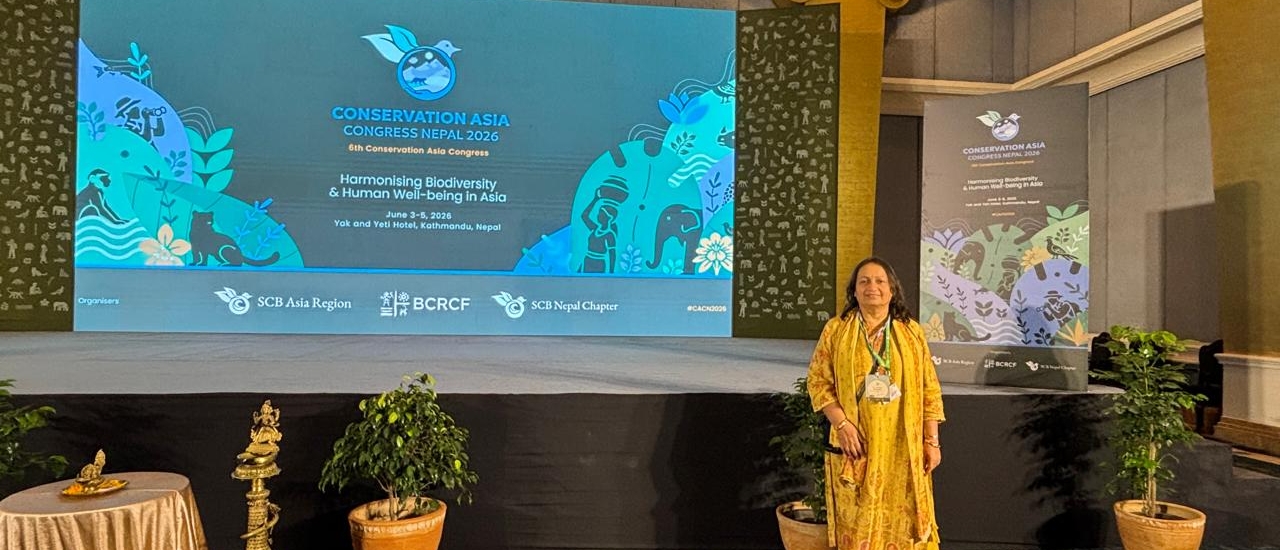
Asia continues facing conservation changes of Fauna and Flora. The reasons are habitat fragmentation, development, climate change, poaching, illegal wildlife trade, and increasing anthropogenic pressures on natural ecosystems. The Director of Himalayan Center for Art, Culture and Science participated in the 6th Conservation Asia Congress Nepal 2026 in Kathmandu. The conference was organized by the Society for Conservation Biology, Nepal Chapter in collaboration with the Burhan Community Regeneration and Conservation Foundation. The society annually conducts conferences for different regions of the world and provides a platform for scientists, policymakers, conservation practitioners, and local communities to exchange knowledge, strengthen regional collaborations, and develop innovative strategies for conserving Asia’s rich biodiversity. This helps in providing the network of academician, scientists, policy makers and researchers to exchange their work and also a thought process to conserve biodiversity and ecosystems.
The conference was organized in Yak & Yeti, Hotel, Kathmandu, Nepal, from 3–5 June 2026. The congress was organized under the theme “Harmonizing Biodiversity and Human Well-being in Asia.” Many organizations from India also participated in the conference.
The Society for Conservation Biology is a premier international non-profit organization dedicated to advancing the science and practice of conserving Earth’s biological diversity. SCB helps in biological conservation collaboration through its global membership network, connecting researchers, conservation practitioners, and policymakers while providing access to cutting-edge ecological research through the journal Conservation Biology and the SCB Wiley Online Library.
The scientific programme featured more than 280 oral presentations, 50 poster presentations, 16 symposia, and four plenary sessions, making it one of the largest conservation gatherings in the region with participation 42 countries.
Pre-congress workshops were also organized on EarthRanger and EcoSpace were conducted for postgraduate students, researchers, and conservation professionals. These workshops focused on field data collection, biodiversity hotspot identification, human-wildlife conflict mitigation, and anti-poaching strategies.Welcome address was delivered by Dr. Koustubh Sharma, President of SCB Asia; and other Key note addresses were delivered by Mr Rob Fenn, British Ambassador to Nepal; and Mwezi Badru Mugerwa, President of the SCB Global Network Board. The official inauguration and opening plenary session were conducted by Mr. Vivek Menon, Chair of the IUCN Species Survival Commission (SSC). Opening remarks were also delivered by conference coordinators Mohammad Farhadinia and Dakshina Khadka.
On 4th June, there was a session on illegal wildlife trade and traditional hunting practices among indigenous communities. The author delivered an oral presentation entitled “Capacity Building and Tools and Techniques in Wildlife Forensics in Asian Countries, based on her more than 20 years of research experience on R&D on Wildlife Forensic and also on based on surveys to Northwestern India. In this session four presentations were also done by other organizations by Jia hao Tow, Durga Prasad,Sue Ying Eng, Min Shang Oh, Vikram . The session was chaired by Aishwarya Maheshwari. Jia Hao of National University Singapore talked about the Two decades of change in the global network of illegal wildlife trade. Durga Prasad Srivastava of Wildlife Institute of India gave the presentation on Understanding tiger survival in urban landscape. Camera trap assessment of Wildlife was discussed by Sue Yang WWF, Malaysia. Min Shang discussed First insight into Wildlife Monitoring and Protection measures in the newly gazette tiger reserve in Malaysia. Vikram Aditya Mallvarapu of Center for Wildlife Studies did a presentation on Understanding the driver of hunting by forest dwelling communities and its impacts on wildlife in India’s threatened Northern Eastern Ghats landscape.
There was a session on migratory birds, covering the Central Asian Flyway, wetland conservation, and conservation initiatives in countries such as Nepal and Kazakhstan. The session also included presentations on the conservation of the Steppe Eagle and vulture species.There was symposia on various themes, including small conservation grants, human-wildlife conflict, sustainable trade and conservation of Himalayan plants and fungi, conservation genetics, and savannah restoration. Poster presentations were held during the evenings of 3 and 4 June, providing an excellent platform for young researchers to showcase their work. The plenary session covered occupancy modelling, threatened species in Asia’s fragile ecosystems, and raptor conservation. Other symposia explored topics such as human-snow leopard coexistence, pangolin conservation in South Asia, community engagement, and various wildlife conservation initiatives. There was the screening of the award-winning documentary Snow Leopard Sisters, which showcased the conservation challenges faced by snow leopards in Nepal’s Dolpo region. The film highlighted the work of local conservation leader Tshiring Lhamu Lama.. The documentary was executive produced by Appian Way, with Leonardo DiCaprio, Jennifer Davisson, and Phillip Watson serving as executive producers. It was produced by Academy Award-winning filmmaker Joanna Natasegara, founder of Violet Films, along with Ian Davis, Torill Jones, and Tshiring Lhamu Lama.
The fourth plenary session was on Conservation Resilience, comprised of presentations on Thriving People and Thriving Forests, Climate Change in Lakshadweep, and building conservation resilience in regions where conservation systems remain under developed. The day’s parallel sessions addressed a broad range of subjects, including human-wildlife conflict, local-to-global conservation partnerships, mountain ecosystem wildlife, wildlife ecology and species interactions, and conservation health. There were discussions and presentations on big data, artificial intelligence, and emerging technologies in biodiversity conservation, along with discussions on conservation policy and governance.
The congress concluded on 5 June with a closing ceremony and the announcement of the next Conservation Asia Congress. Nepal’s. Finance Minister, Dr. Swarnim Wagle, also joined the closing ceremony and presented awards, and congratulated the organizers for successfully hosting the event. Dr. Koustubh Sharma, President of SCB Asia, thanked the minister, volunteers, and members of the CAC Nepal organizing committee and all delegates and participants.
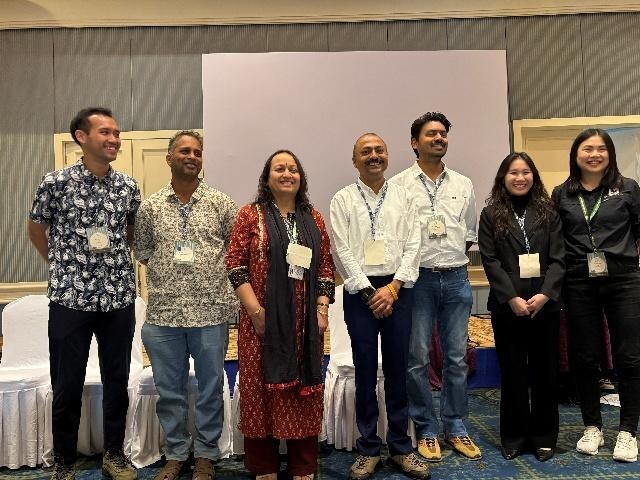
Dr Archana Bahuguna with Dr Aishwarya Maheshwari, who chaired the session on illegal wildlife trade, hunting and law enforcement.
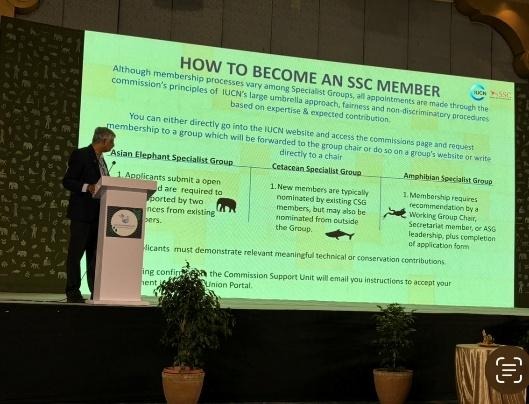
Mr Vivek Menon, Chair IUCN species delivered the Key Note address
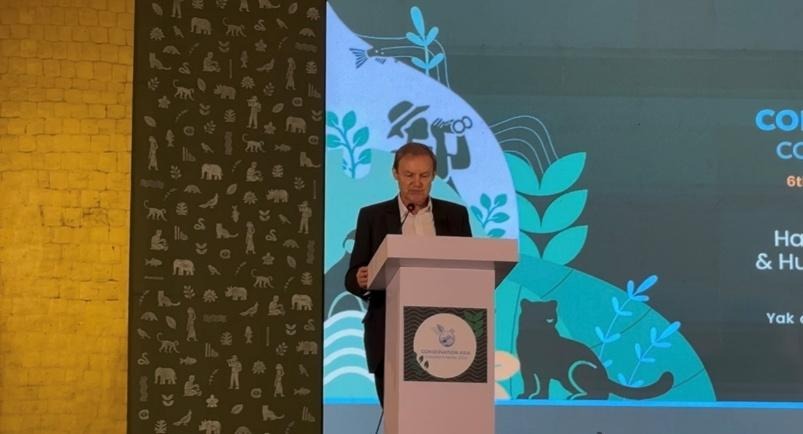
Mr Rob Fenn, British Ambassador to Nepal delivered the opening lecture.

Mwezi Badru Mugerwa, President, SCB Global Network Board
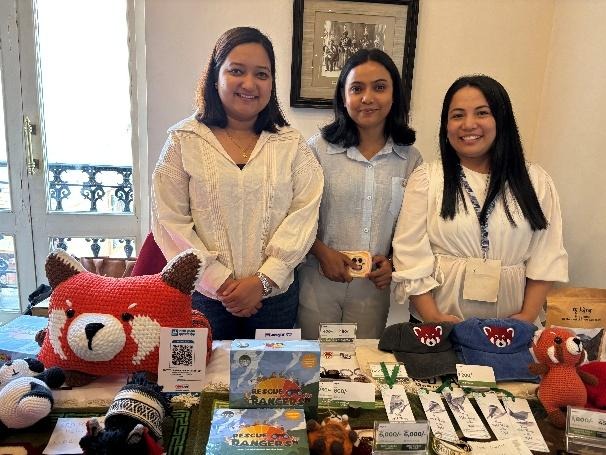
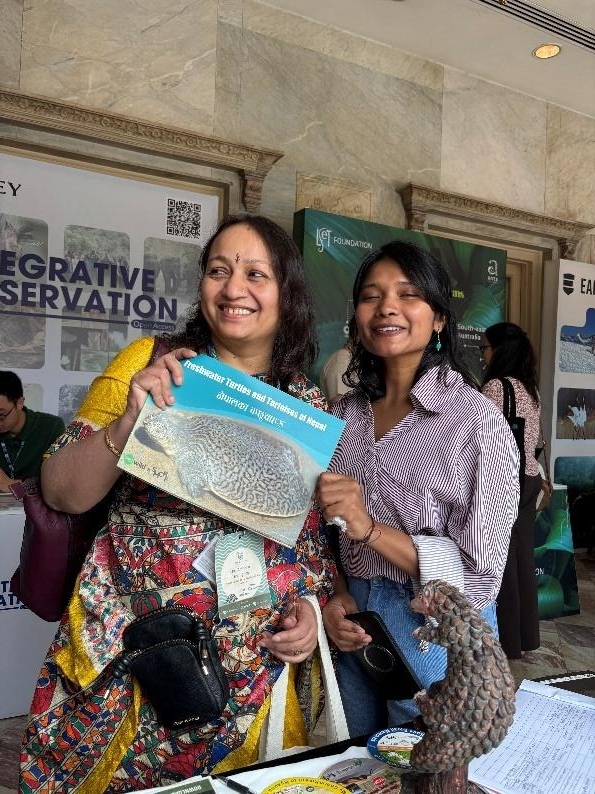
During conference there was displays of books, instruments and other items by various NGOs like Bird International, WTI, BCRCF, LSeT foundation, ZSL etc.
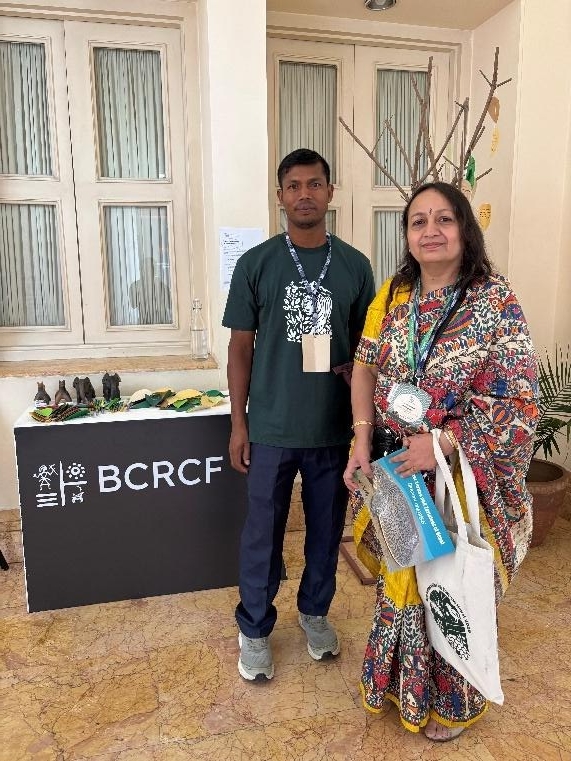
Dr Archana Bahuguna with the Burhan Community regeneration and Conservation Foundation of Nepal
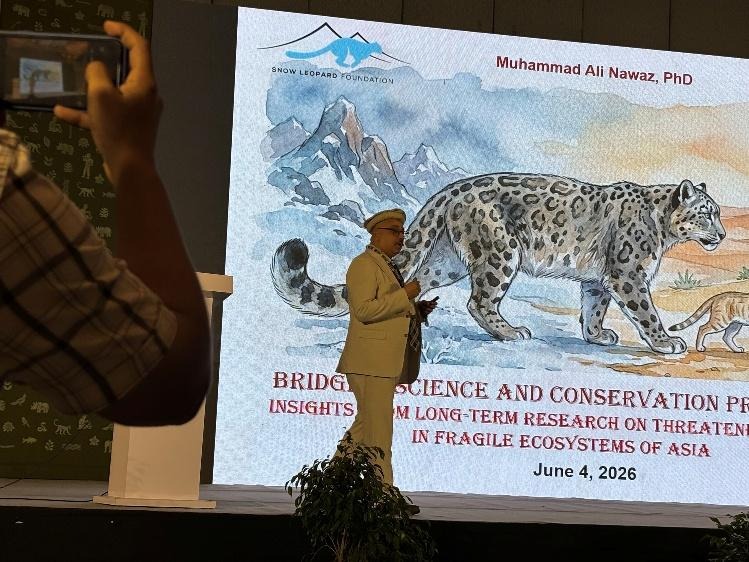
Dr Muhammad Ali Nawaz, Professor of Qatar University, delivered his plenary talk based on his more than 20 years of research experience on conservation of Snow Leopard